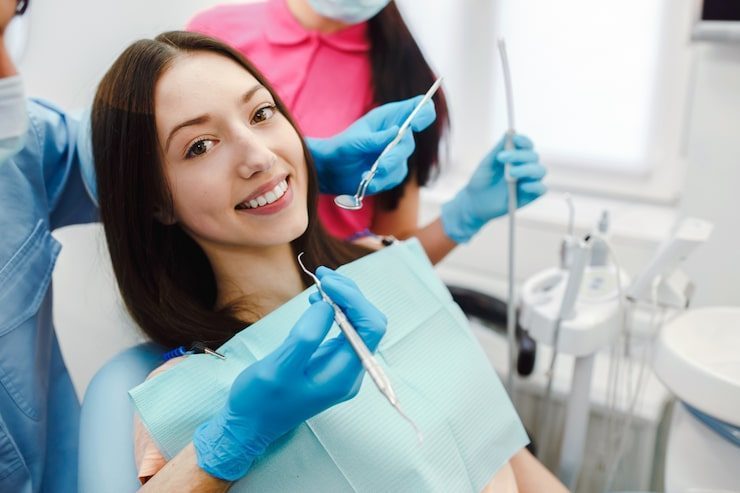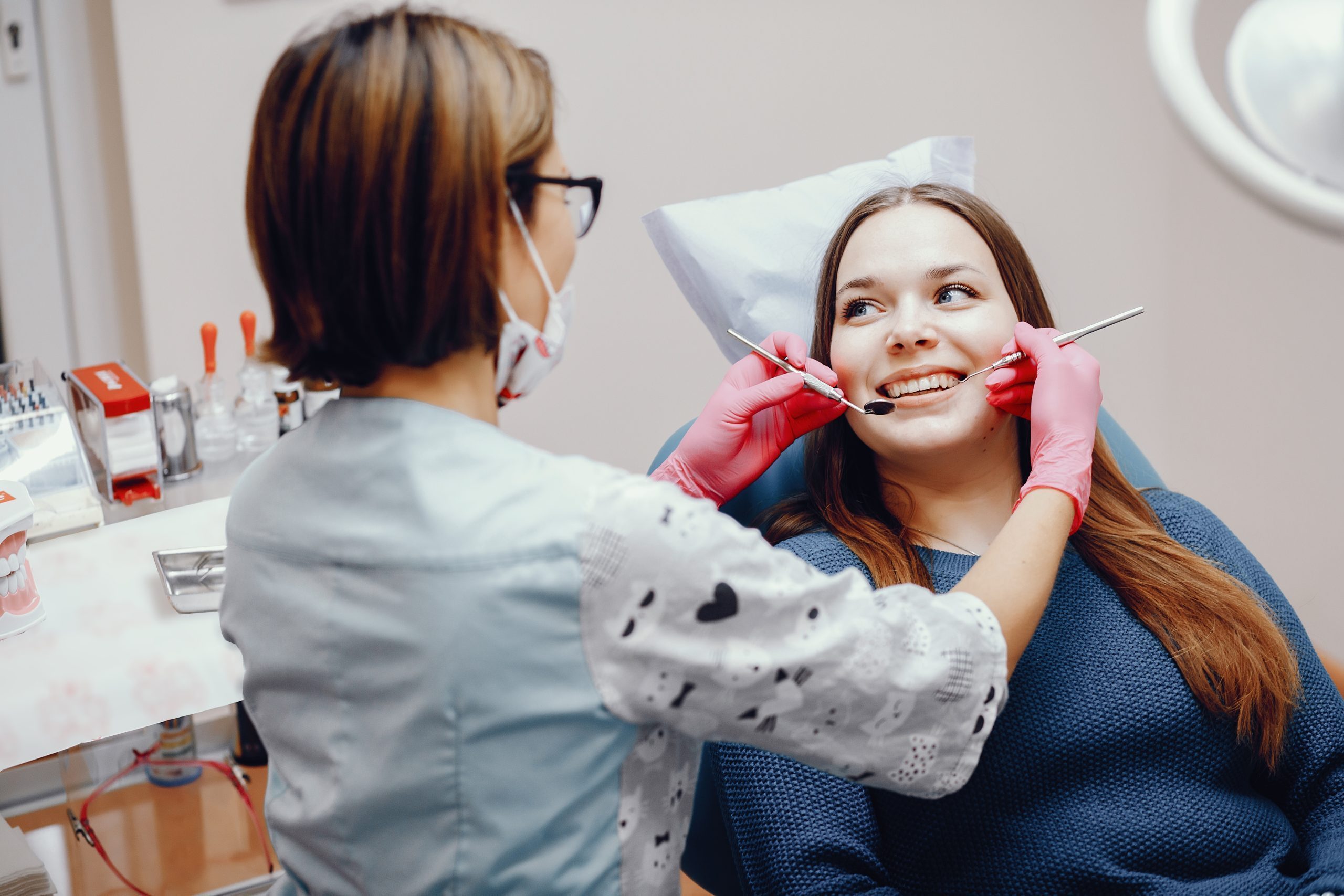
If missing teeth affect your smile, chewing or confidence, dentures may help. AL MAGD MEDICAL CENTER provides denture consultations in Al Ain for patients who need complete or partial tooth replacement. During your visit, the dentist examines your gums, remaining teeth and bite before recommending a suitable option. The right choice depends on how many teeth are missing, the condition of your gums, bone support, age,
treatment goals and your budget.
What Are Complete Dentures?
Complete dentures replace all the teeth in the upper or lower jaw. They rest on the gums and are held in place by suction, muscle control or denture adhesive. Complete dentures are made after the gums have healed following tooth removal. They can restore the ability to chew, speak and smile with confidence.
Complete dentures may be conventional or immediate. Conventional dentures are placed after the gum tissue has healed, which may take several weeks. Immediate dentures are inserted right after teeth are removed, so the patient does not have to go without teeth during healing. However, immediate dentures often need relining or replacement as the gums shrink and change shape.
What Are Partial Dentures?
Partial dentures replace one or more missing teeth while keeping natural teeth that remain healthy. They consist of replacement teeth attached to a pink or gum colored base. The base may connect to a metal framework that clasps onto nearby natural teeth. Partial dentures fill the gaps, prevent remaining teeth from shifting and support the cheeks and lips. They are removable for cleaning and at night.
Complete Dentures vs Partial Dentures
The main difference is the number of teeth being replaced. Complete dentures are used when all teeth in an arch are missing or need to be removed. Partial dentures are used when some natural teeth remain and can support the appliance.
Complete dentures rely entirely on the gums and bone ridge for support. Partial dentures gain support from both the gums and the existing teeth. The treatment time, cost, fit and daily care routine differ between the
two options. A clinical examination is needed to determine which one suits your mouth.
Who May Need Complete Dentures?
Complete dentures may be suitable for people who have lost all their teeth due to decay, gum disease, injury or age. They may also be an option when remaining teeth are in poor condition and cannot be saved.
Some patients choose complete dentures after multiple extractions. Others may have worn old dentures that no longer fit well because the jaw ridge has changed over time.
A denture assessment can identify whether complete dentures, implant supported dentures or another treatment would be appropriate.
Who May Need Partial Dentures?
Partial dentures may be suitable for people with one or more missing teeth and healthy natural teeth that can anchor the appliance. They may also help when a patient is not a candidate for bridges or implants due
to bone loss, health conditions or cost.
Partial dentures can restore chewing function and improve appearance. They also stop neighboring teeth from drifting into empty spaces. An assessment can identify the cause of tooth loss and explain whether
partial dentures, fixed bridges or dental implants are the better choice.
The Denture Process
Initial Consultation
Your first appointment begins with a discussion about your concerns and goals. The dentist asks about your dental and medical history and checks the condition of your gums and any remaining teeth. The bite is also
assessed to understand how the upper and lower jaws meet.
Diagnostic Records
The dentist may recommend photographs, X rays or other records. These tests are used when needed for treatment planning. They can show the condition of the bone, gum health and the position of remaining teeth. The dentist explains why each test is required.
Treatment Planning
After reviewing your examination and records, the dentist explains the recommended treatment. You will learn whether complete or partial dentures suit your case, what changes are expected and how long treatment may take. The dentist will also discuss appointment frequency, oral hygiene requirements and care for the denture.
Impressions and Try In
For dentures, the dentist takes impressions of your gums and teeth. These molds are used to create models of your mouth. A wax try in may be done to check the fit, appearance and bite before the final denture is
processed. This step allows adjustments to be made so the denture feels natural and looks right.
Denture Placement
Once the final denture is ready, the dentist places it in your mouth and checks the fit. Mild soreness or increased saliva is common after receiving new dentures. This usually improves as the mouth adapts.
Follow Up Visits
Regular visits allow the dentist to check the fit and make adjustments. The frequency depends on the type of denture and your stage of healing. During these visits, the dentist may check your gums, denture condition,
bite changes and comfort.
How Long Do Dentures Last?
Dentures are not permanent. With daily wear, they may last five to ten years or longer before they need replacement or relining. The duration depends on changes in the gum and bone, wear and tear, oral hygiene and
how well you care for the appliance.
Broken teeth on the denture, cracks in the base and poor fit can affect function. Your dentist can provide an estimate after examining your mouth, but the timeline may change over time.
Are Dentures Painful?
Dentures may cause pressure or soreness after placement and during some adjustment visits. This is usually temporary and improves as your mouth becomes accustomed to the appliance. Soft foods may feel more
comfortable during the first few days. Denture adhesive can help with stability if needed.
Severe or persistent pain should be reported to the clinic. Contact the dental team if a denture breaks, a tooth comes loose or an appliance causes an injury.
Eating With Dentures
You can eat many foods with dentures, but hard, sticky and chewy items may cause difficulty. Avoid chewing ice, hard sweets and nuts if they cause discomfort. Firm foods such as apples and carrots should be cut
into smaller pieces. Chewing on both sides of the mouth at the same time can help keep the denture stable. Practice and patience are needed as you learn to eat with new dentures.
Oral Hygiene With Dentures
Dentures collect plaque and food just like natural teeth. Careful cleaning helps reduce the risk of gum irritation, bad breath and stains. Remove the denture and brush it daily with a soft brush and denture cleaner. Do not use regular toothpaste, which can be too abrasive.
Clean your gums, tongue and palate with a soft brush before inserting the denture. Regular dental checkups remain important during denture wear. Denture appointments monitor fit and condition, while general
dental visits help identify gum disease, decay in remaining teeth and other oral health concerns.
When Should Denture Treatment Be Delayed?
Denture treatment may need to be delayed when a patient has untreated tooth decay, active gum disease or poor gum health. The dentist may recommend fillings, gum treatment, professional cleaning or extractions
before placing dentures. Treating these issues first helps protect the mouth during denture wear.
Patients should also tell the dentist about medical conditions, allergies and current medication before treatment begins.
Denture Consultation in Al Ain
During your consultation, you can discuss missing teeth, chewing concerns, speech changes, loose old dentures or changes after extractions. Bring previous X rays or dental records if they are
available. Tell the dentist about any history of gum disease, tooth extraction or dental trauma.
You should leave the appointment with a clearer understanding of the problem, available options, estimated treatment time and likely costs.
Cost of Dentures in Al Ain
The cost of dentures depends on the type of appliance, the materials used and the complexity of your case. Complete dentures generally cost differently from partial dentures. Treatment time, diagnostic records,
the number of appointments and adjustments can also affect the total fee.
Additional dental treatment may be required before dentures begin. Repairs or relining may involve an extra charge. AL MAGD MEDICAL CENTER discusses the expected cost before treatment starts. Ask for a written
estimate that explains what is included in the treatment plan.
The lowest quoted fee may not reflect the full cost of denture care. Follow up appointments, hygiene guidance, repairs and relining all form part of complete treatment.
Denture Care for Patients Across Al Ain
Patients visit the clinic from areas including Gulberg, Model Town, Johar Town, Faisal Town, Garden Town, DHA Al Ain, Bahria Town and Wapda Town. If you are travelling through central Al Ain, plan your appointment around routes near Liberty Market, Main Boulevard Gulberg, Kalma Chowk and Ferozepur Road.
Patients coming from Johar Town, Faisal Town or Model Town may need additional travel time during weekday traffic. Those travelling from DHA Al Ain or Bahria Town should check current traffic conditions before leaving, particularly during peak hours, weekends and large public events. Confirm the clinic’s exact location, parking arrangements and opening hours before your appointment.
Why Choose AL MAGD MEDICAL CENTER?
Denture care requires regular monitoring and clear communication. At AL MAGD MEDICAL CENTER, the dentist assesses your gums, remaining teeth and bite before recommending a treatment option. The team explains the
purpose of treatment, expected stages, care requirements and maintenance. Patients can discuss complete dentures and partial dentures where clinically appropriate.
The clinic also provides general, preventive, restorative and emergency dental care. This supports patients who need fillings, gum treatment, cleaning or other care before or during denture treatment.
Frequently Asked Questions
What is the difference between complete and partial dentures?
Complete dentures replace all teeth in an arch. Partial dentures replace some missing teeth and use remaining natural teeth for support.
Can I sleep with my dentures?
It is usually best to remove dentures at night. This lets the gums rest and helps keep the mouth healthy. Your dentist will explain what is right for your case.
Will dentures affect my speech?
New dentures may change how you speak at first. Reading aloud and practicing difficult words can help. Speech usually improves within a few weeks.
Can dentures be repaired?
Yes. Chips, cracks and loose teeth on a denture can often be repaired. Do not try to fix a denture yourself with glue or tools. Contact the clinic for professional repair.
Do I still need dental checkups with dentures?
Yes. Regular checkups help monitor gum health, denture fit and any remaining natural teeth. The dentist can also check for oral cancer and other conditions.
Book a Denture Consultation in Al Ain
If missing teeth affect your smile, chewing or confidence, contact AL MAGD MEDICAL CENTER to arrange a denture consultation. Call or WhatsApp the clinic to ask about complete dentures, partial dentures, treatment
duration, current fees and appointment availability.